You just got your lipid panel—what are you supposed to notice first?
You open the portal and see a grid of numbers, some flagged in red, and it’s not obvious what’s urgent versus just “not ideal.” Before you react, check the basics: was this fasting or not, and is it a standard lipid panel (LDL, HDL, total cholesterol, triglycerides) or does it also list non-HDL or ApoB?
Then anchor on LDL (and non-HDL if it’s shown). Those are the main “how much cholesterol is riding in the particles that can build plaque” signals. HDL matters, but it usually doesn’t erase a high LDL.
A single test can bounce from recent illness, weight change, or a big meal the day before, so don’t treat one draw like a verdict. The real question is what these numbers mean for your risk right now.
When “bad” cholesterol is high, how worried should you be right now?
That “risk right now” question usually shows up as a single red number: LDL. The first thing to know is that LDL isn’t an emergency signal in most cases; it’s a “time and exposure” signal. If your LDL is mildly or moderately high, the next step is often to confirm it, then put it in context with age, blood pressure, smoking, diabetes, and family history of early heart disease.
Where worry gets more immediate is when LDL is very high (often around 190 mg/dL or higher) or you’ve already had a heart event. In those situations, genetics can be part of the story, and clinicians tend to act faster because the lifetime plaque-building load rises quickly.
Home fixes take weeks to show up on labs, and repeat testing too soon can make it look like nothing worked. What you do next depends on whether this is a one-off spike or a pattern.
HDL looks good—does that cancel out a high LDL?
That “pattern” question is where people often point to HDL and hope it changes the math. If your HDL is high, it’s usually a sign you’re doing some helpful things—being active, carrying less excess weight, or not smoking. But it doesn’t act like a coupon that removes LDL’s effect.
Think of LDL as the amount of cholesterol being carried into places it can stick over time, while HDL is more of a marker that your overall metabolism is in a better lane. Some people inherit high HDL and still develop plaque. Others have “good” HDL but also high non-HDL or ApoB, meaning there are still plenty of particles in circulation that can contribute to buildup.
HDL is hard to raise much on purpose. So if LDL is high, you usually keep your focus there—then pick the best summary number to track.
Total cholesterol and non-HDL: which summary number should you use?
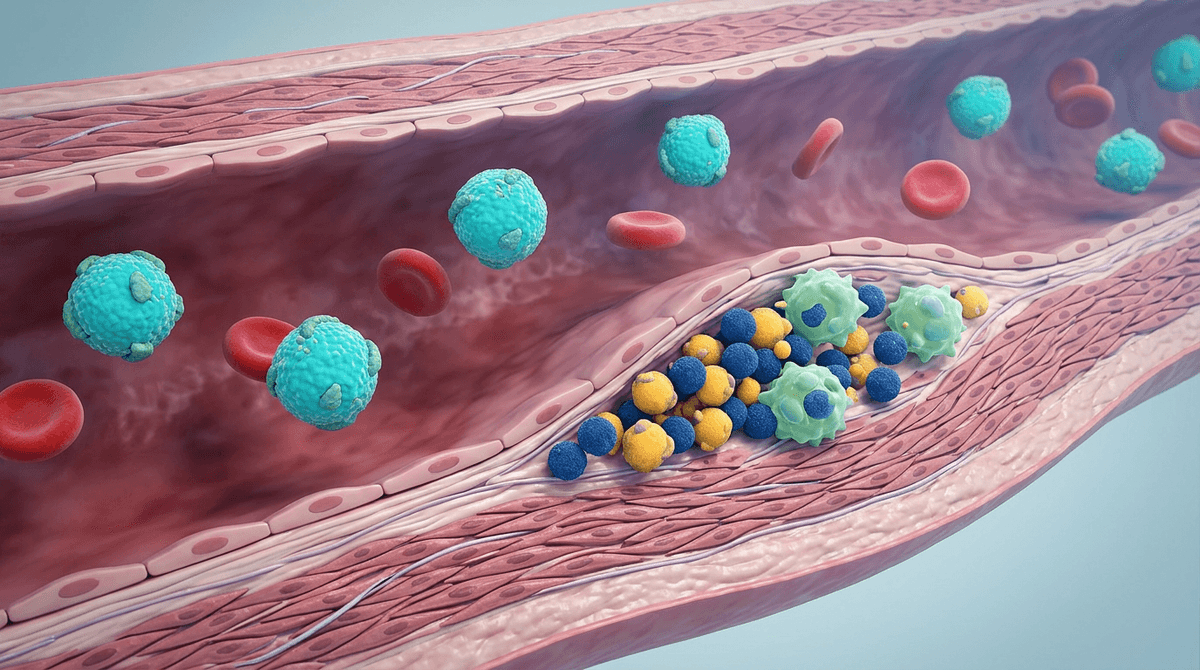
That “best summary number” question often comes down to what your portal highlights: total cholesterol. It’s easy to latch onto because it’s one line, but it mixes LDL, HDL, and a slice of triglyceride-related cholesterol, so it can look “fine” even when the risky part is not.
If your report shows non-HDL cholesterol, it’s usually the better one-number check. Non-HDL is total cholesterol minus HDL, which means it counts all the cholesterol carried in particles that can contribute to plaque—LDL plus the other “extra” particles that tend to show up when triglycerides run high.
Many lab reference ranges still put more attention on total cholesterol, and some portals don’t display non-HDL at all. If you only have total, don’t try to “improve” it by focusing on HDL. Use total as a rough screen, but use LDL (and non-HDL when available) to guide what you do before the next test—especially if triglycerides are elevated.
Triglycerides are up—was it dinner, or something else?
That “especially if triglycerides are elevated” line is where a lot of people get whiplash, because triglycerides can jump around more than LDL. A late, heavy dinner, a sugary dessert, or a couple of drinks the night before can push the number up, especially if the blood draw wasn’t fasting. Even with fasting, a recent cold, a week of less sleep, or a small weight gain can nudge it higher.
If triglycerides are mildly up, the most common drivers are simple: more refined carbs and added sugar, less activity, and more belly weight. If they’re higher (often 500 mg/dL or above), that’s a different situation because pancreatitis risk becomes part of the discussion, and clinicians usually move faster.
If triglycerides were high, the calculated LDL on your report may be less reliable. That’s a good reason to repeat the test under consistent conditions and focus on the changes that tend to move the needle most.
If you want your next test to look better, what changes are actually worth trying first?

“Consistent conditions” matters because the easiest way to “improve” a lipid panel is to accidentally game the test—eat lighter the night before, then go right back to normal. If you want numbers that stay better, start with the few levers that most reliably move LDL and triglycerides: cut back on saturated fat (butter, fatty red meat, coconut oil) and swap in unsaturated fats (olive oil, nuts, avocado), and add soluble fiber most days (oats, beans, lentils, psyllium).
If triglycerides were the messy part, tighten the obvious inputs first: fewer sugary drinks and desserts, and smaller portions of refined carbs for a couple of weeks to see what changes. A brisk 30-minute walk most days can help, especially if weight has crept up.
Give changes 6–12 weeks, then recheck under the same fasting and timing rules—and be ready to ask whether you’re seeing a “needs more time” response or a “likely genetics” pattern.
At what point should you ask about statins or other medications?
That “likely genetics” pattern is usually the moment medication becomes a fair topic, not a personal failure. If your LDL stays high after 6–12 weeks of solid, repeatable changes, bring it up. Ask sooner if your LDL is very high (often around 190 mg/dL or higher), if you have diabetes, kidney disease, or if you’ve already had a heart or stroke event—those situations change the urgency because the goal is to lower exposure, not just “improve a test.”
A practical way to frame it at the visit: “Based on my age and risk factors, what’s my estimated 10-year risk, and what LDL (or non-HDL/ApoB) target are we aiming for?” Then ask what medication fits that goal. Statins are usually first-line, but some people need add-ons like ezetimibe, or newer injectables if levels stay high or side effects get in the way.
Meds still require follow-through: refills, cost and insurance steps, and labs to check response and safety. Before deciding, it helps to track what you changed, what you can keep doing, and what you can’t.
Before your follow-up visit, what to track—and the 5 questions to bring
That “what you can keep doing” piece is exactly what makes a follow-up visit useful. For the next 6–12 weeks, jot down a simple log: average weekly exercise, sugary drinks/desserts, and the main fat sources you ate (butter/red meat vs olive oil/nuts). Also note weight trend, any new meds, and whether the next draw will be fasting and at what time.
Then bring five questions: (1) What’s my 10-year risk and what’s driving it? (2) Which target matters most for me—LDL, non-HDL, or ApoB? (3) Do I need a repeat test under consistent conditions, or more labs (A1c, thyroid, Lp(a))? (4) What change would you prioritize if I can only do one? (5) At what number or timeframe do we add medication, and which one?