Why “more fruit” can still feel unbalanced
It can be confusing when you add a second or third fruit to a smoothie or snack bowl and still end up feeling oddly hungry soon after—or a little wired, then flat. The mix looks “healthy,” but the way it lands in your stomach can be inconsistent from day to day, especially when the choices lean heavily toward the same sweet, juicy favorites.
Part of the imbalance is pace. Fruits that are higher in water and fast-digesting sugars may move through quickly, so the fullness signal doesn’t last, even if the volume looks big. If most of your fruit is in that lane, it can feel like you’re constantly chasing another snack.
Then there’s variety over time. When the rotation stays narrow—say, banana plus berries most days—you may get reliable flavors but less spread in fiber types, acids, and micronutrients. That can show up as patterns you might misread as “needing more fruit,” when it may be more about how the mix is built.
Comparing fruit groups by what they mainly provide
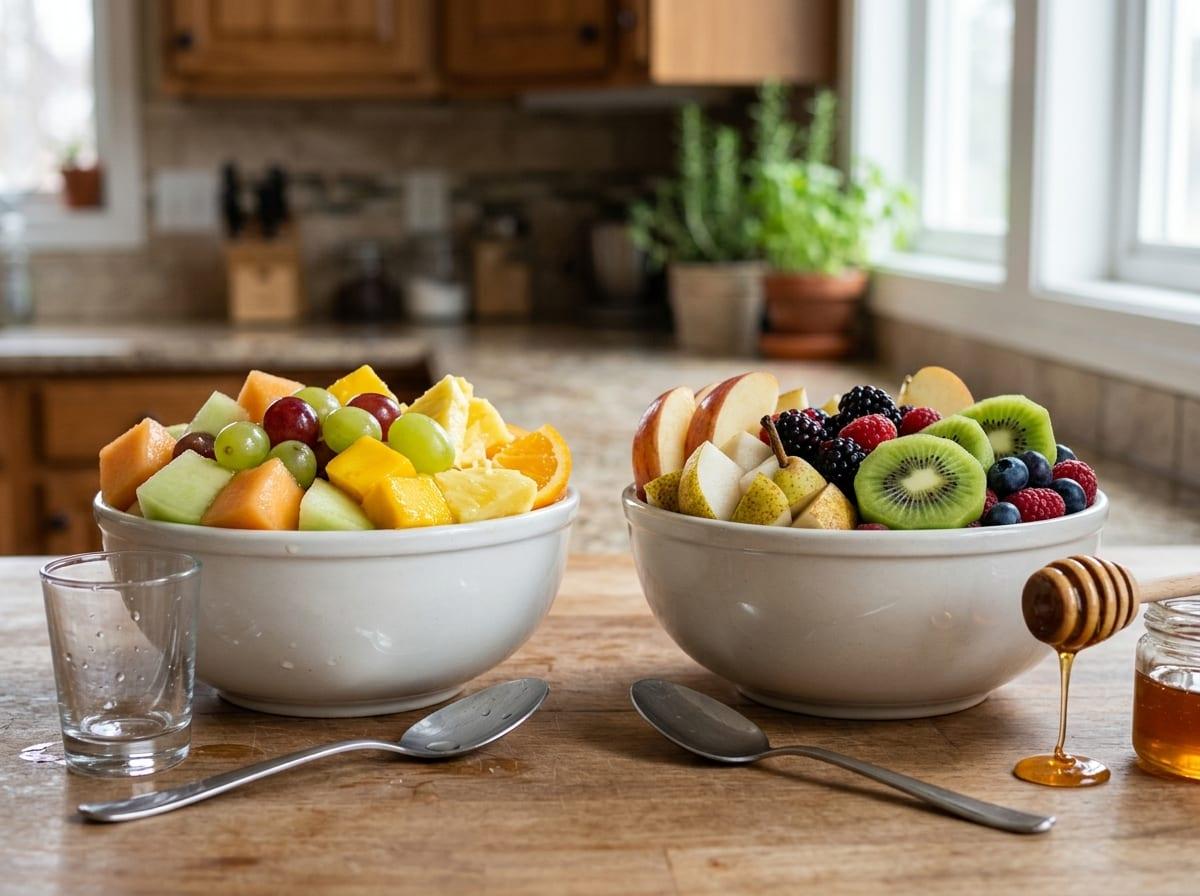
A fruit bowl can land very differently from one day to the next, even when it looks almost identical. One combination leaves you comfortably settled through the afternoon; another fades fast, and hunger comes back sooner than expected. A lot of that difference comes from what each fruit contributes first—water, fiber, sweetness, or density—not just the size of the bowl.
Some fruits lean heavily on water and rapidly available sugars. Melon, grapes, pineapple, ripe mango, and large amounts of citrus tend to feel light and refreshing, but they also move through the stomach relatively quickly, which can make energy feel less steady afterward. Apples, pears, kiwi, and most berries usually hold longer because they bring more fiber and structure for their volume, slowing the pace at which sugars are absorbed. Bananas and dried fruit often land somewhere in between: satisfying at first, yet surprisingly easy to overeat because the texture is softer or more concentrated than it seems.
Acidity changes perception, too. Tart fruits such as berries and citrus can make a bowl taste brighter and less sugary than it really is, so sweetness feels “cleaner” even when the carbohydrate load is still substantial. That’s part of why two bowls with similar calories can leave very different impressions once the initial freshness wears off.
What drives steadier blood sugar from fruit mixes
Sometimes you can tell within 20 minutes: the snack felt bright and refreshing, but your focus starts to wobble anyway. It’s easy to assume that means you “need protein,” yet the more immediate issue may be how quickly the sugars in that particular mix left the stomach and reached the small intestine.
Fruit doesn’t all behave the same once it’s blended or chewed. Higher-fiber fruits (like berries, pears, apples, and kiwi) tend to add viscosity and bulk, which can slow gastric emptying and blunt how fast glucose arrives in the bloodstream. Juicier, sweeter fruits (like melon, grapes, mango, pineapple, and oranges) can move faster, especially if the texture is broken down in a smoothie, so the rise can feel sharper and the dip more noticeable.
What throws people off is that the “healthy” feeling of a large fruit bowl can mask this timing. When most of the volume is water and quick sugars, you may feel full but still get an earlier energy drop than expected. A mix that leans more evenly—some quick fruit plus some higher-fiber fruit—often lands with less of that whiplash, even when the sweetness tastes similar.
Nutrient synergy and interference inside mixed fruit bowls
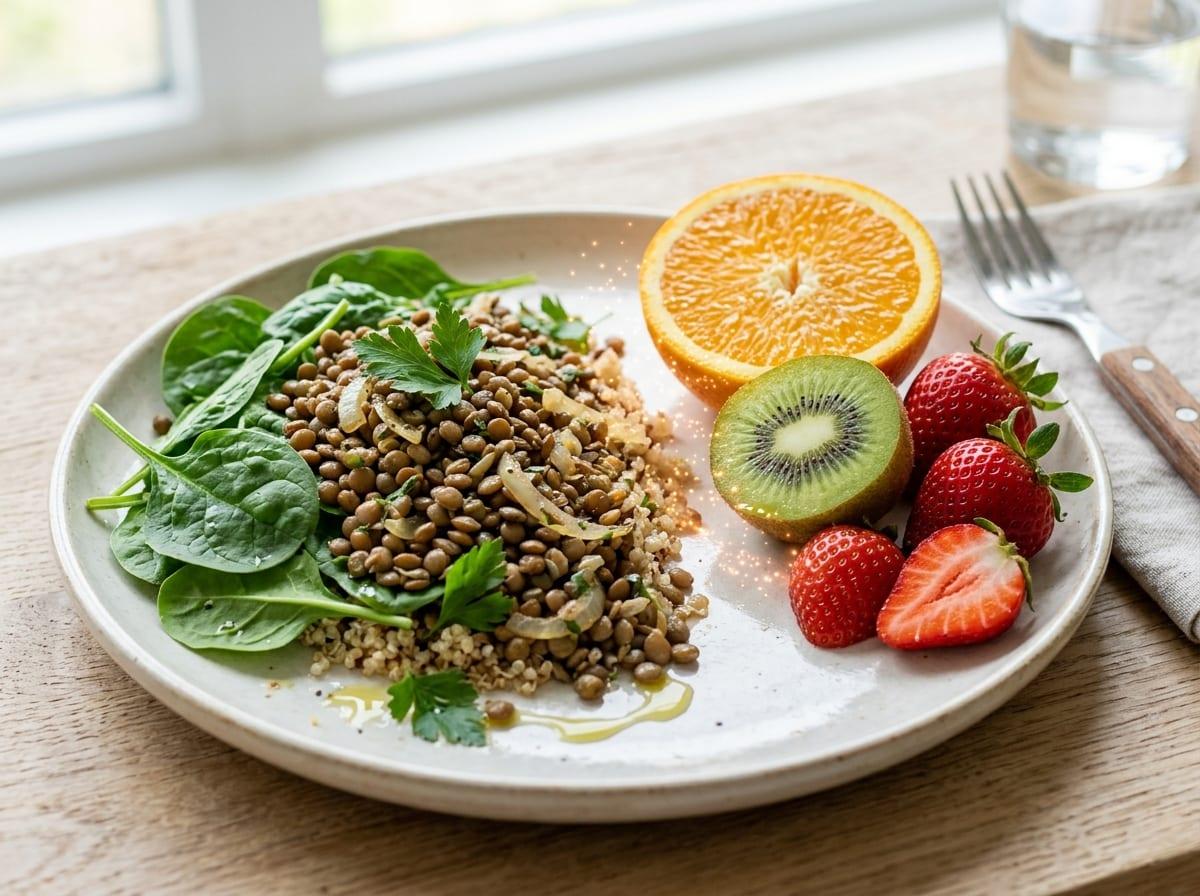
Sometimes the bowl tastes “perfect,” yet your mouth still feels oddly dry afterward, or you notice a faint coated feeling on your teeth. That can happen when a mix stacks sweet, low-fiber fruit with very acidic fruit—so it feels light and fresh, but it’s still delivering a lot of quickly available sugar while the acid makes the sweetness seem less intense.
Inside the gut, some combinations change how nutrients travel. Soluble fiber from apples, pears, citrus pulp, and many berries can form a thicker gel that slows how fast sugars and acids move along, which may support steadier energy and more lasting fullness. But when most of the fruit is blended very smooth, that structure can be partly lost, so the “same ingredients” may land differently than a chewed bowl.
The vitamin C in citrus, kiwi, and berries can help your body absorb non-heme iron from other foods eaten nearby, but it doesn’t add iron on its own—so a fruit-only snack can still leave you feeling like something is missing. And if the mix leans heavy on very tart fruits, the acidity may irritate a sensitive stomach even when the portion is reasonable.
When a reasonable combo causes bloating or urgency
The bowl is gone, yet your stomach feels overly full in a loose, watery way—sometimes followed by gurgling or a sudden rush to the bathroom. That disconnect throws people off because the portion looked reasonable, the ingredients seemed healthy, and nothing felt especially heavy while eating.
A lot of the reaction comes down to pacing inside the gut. Combining very watery fruits like melon or grapes with fruits higher in fructose, such as mango or apples, can send a large wave of fluid and sugar into the small intestine at once. When absorption lags behind delivery, extra water stays in the digestive tract instead of moving smoothly into the bloodstream, which can create that sloshy pressure or urgent feeling later on. Some of those carbohydrates also become fuel for gut bacteria farther down, producing gas as they ferment and making the abdomen feel swollen or tight even with otherwise familiar fruits.
Texture changes the experience more than many people realize. Whole fruit naturally slows things through chewing and volume, while blended fruit tends to go down quickly and in larger amounts before fullness signals fully register. Smoothies can also bring in more swallowed air, especially when consumed fast, which adds another layer of pressure and bloating. When the same combinations repeatedly lead to discomfort, the pattern usually says more about tolerance, timing, and quantity than about doing something “wrong.”
Building a balanced plate using fruit as a component
On the days you’re rushing, fruit can slide into the “whole snack” role without you noticing—especially when it’s already washed, sliced, or blended. It may feel light and efficient, but that’s also when people misread the signal: a big fruit portion can create stomach volume without much staying power, or it can move quickly enough to set up an energy dip later.
Using fruit as a component usually changes the timing. A plate that includes a chewy, higher-fiber fruit (berries, pear, apple, kiwi) alongside something with protein or fat tends to slow gastric emptying, so glucose arrives more gradually. The effort is that it doesn’t always taste as “snack-like,” and the same fruit can land differently depending on ripeness and texture (whole versus very smooth blended).
Over a week, rotating colors can be a practical way to widen micronutrient exposure without turning every meal into a project. If a fruit-heavy plate keeps leaving you jittery, foggy, or bloated, it may be a pattern worth adjusting rather than pushing through.
Personal constraints that change the best combinations
The same fruit mix can feel “fine” one week and strangely off the next, usually because your constraints shifted more than the fruit did. A harder workout day, a rushed morning, poor sleep, or higher stress can all change appetite signals and gut motility, so a bowl that used to feel steady may suddenly feel too light, too sharp, or too urgent.
Digestion tolerance isn’t fixed, either. If you tend to malabsorb fructose, a combo that leans on apples, mango, grapes, or large servings of pear may be more likely to cause gas or loose stools, especially when it’s blended and consumed quickly. Some people also notice that very acidic mixes (citrus plus tart berries) can feel irritating on an empty stomach, even when the sugar load isn’t high.
Over time, the “best” combinations are often the ones you can rotate without friction—pairing a higher-fiber option with a juicier one, then changing colors week to week—while paying attention to repeatable patterns, not one-offs.