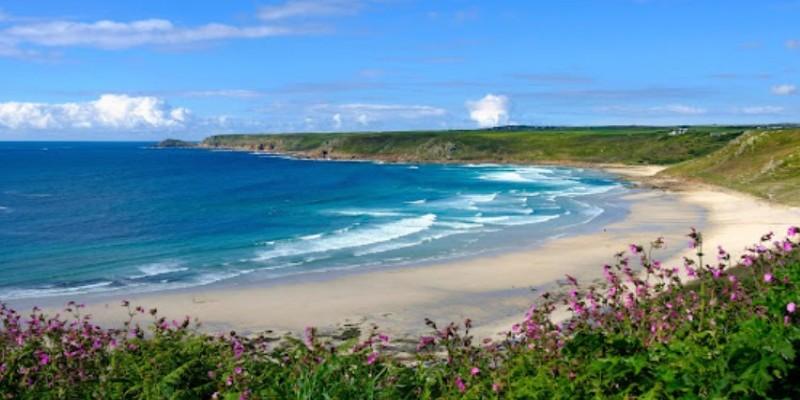
The UK coastline stretches for thousands of miles, yet only certain beaches leave a lasting impression through wide horizons, cliffs, and shifting light across the water. Scenic UK beaches often sit in places that reward patience and good timing. Tide patterns, seasonal crowds, and access routes shape the experience as much as the scenery itself. Many travelers arrive expecting simple sand and sea, then find dramatic geology and changing weather that create some of the most striking UK coastal views across Britain.
Most Scenic Beaches in the UK for Coastal Views
Durdle Door Beach, Dorset
Durdle Door stands along the Jurassic Coast in Dorset. A natural limestone arch rises from the sea and creates one of the most photographed coastal scenes in England. Clear weather reveals wide views across the English Channel, while softer skies produce calmer tones across the cliffs. Access requires a walk down a steep path from the cliff top car park. Visitors sometimes underestimate the climb back up.
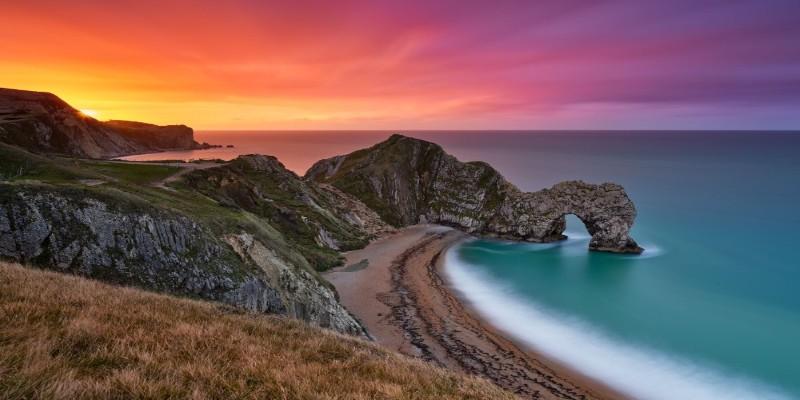
During busy summer days, the steps become crowded, especially late afternoon. Tides shape the shoreline here. At high tide, the pebble beach becomes narrow, and swimming areas feel tight. Low tide opens a wider walking space and makes photography easier. Spring and early autumn offer the calmest visits. Summer crowds often build by midmorning.
Rhossili Bay, Wales
Rhossili Bay stretches nearly three miles along the Gower Peninsula in South Wales. Wide sand, rolling dunes, and distant cliffs form one of the most impressive UK coastal views. A cliff path leads from the village toward the beach below. The descent takes time, and the return climb feels demanding late in the day. Many visitors pause along the path since the panoramic views expand with every step.
At low tide, a walk toward Worm's Head becomes possible. This rocky island connects to the mainland through a narrow tidal causeway. Tide charts matter here. Water returns quickly, and access closes without warning. Spring mornings often bring calmer wind conditions. Winter storms create dramatic skies across the bay.
Bamburgh Beach, Northumberland
Bamburgh Beach delivers wide sand and historic scenery along the Northumberland coast. Bamburgh Castle stands above the shoreline, rising from volcanic rock and overlooking the North Sea. The long beach rarely feels crowded outside school holiday periods. Cooler temperatures across northern England keep visitor numbers lower than in southern coastal areas.
Strong sea winds appear frequently here. Early evening tends to offer calmer air and softer sunlight across the castle walls. Photographers often prefer that time of day. Parking areas sit close to the village, followed by a short walk across grass and dunes. Wide open space allows long coastal walks stretching toward Seahouses in the distance.
Porthcurno Beach, Cornwall
Porthcurno lies in a sheltered cove along Cornwall’s south coast. Granite cliffs protect the bay from stronger winds, giving the water a clear turquoise color during warm weather. A small valley road leads toward the beach car park. Summer travel creates traffic delays along this narrow approach. Arriving early in the morning avoids most congestion.
The Minack Theatre stands on the cliff above the beach. Many visitors combine a coastal walk with an evening show overlooking the sea. This pairing adds variety to a day along the Cornish coast. High tide reduces the beach area considerably. Tide schedules posted near the entrance help visitors plan swimming or photography.
Luskentyre Beach, Isle of Harris
Luskentyre Beach sits along the west coast of the Isle of Harris in Scotland. White sand stretches across a wide bay with distant hills across the water. On clear days, the sea turns pale blue, creating a scene rarely expected this far north. Travel requires more planning than visiting mainland beaches. A ferry journey from the Scottish mainland connects to the Outer Hebrides, followed by quiet roads across the island.
Weather conditions shift quickly. Sunshine may turn to rain within a short time. Visitors often plan flexible schedules rather than fixed sightseeing times. Large tidal ranges reveal wide sandbanks during low tide. Each visit brings slightly different coastal patterns.
Holkham Beach, Norfolk
Holkham Beach feels almost oversized, in the best way. A band of pine woodland backs the dunes, and once you step onto the sand, the coast just keeps going. The sea looks close, but it takes a proper walk to reach it, and that catches plenty of first-timers out, especially on warm afternoons. It’s a nature reserve, so some dune sections are fenced off for wildlife, and the signs matter. Stay on the open stretches near sunset, when the wet sand turns into a mirror.
Achmelvich Beach, Scottish Highlands
Achmelvich sits on a calm corner of Scotland’s northwest Highlands, with pale sand curling around a bay of clear water and rugged rock. The drive is part of the deal, single-track lanes, passing places, and the odd slow tractor keep the pace gentle.
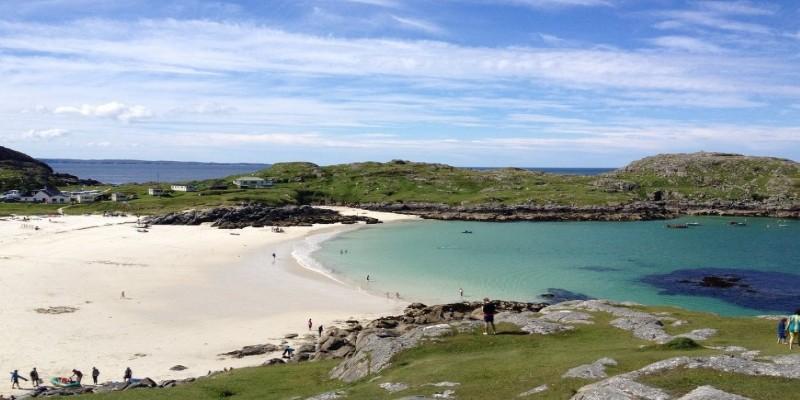
In summer, daylight hangs on late, and the bay can look almost lit from within as the sun drops behind the hills. Services are sparse, so plan ahead for food and fuel. Nearby campsites and small guesthouses cover most overnight stays.
Kynance Cove, Cornwall
Kynance Cove ranks among the most distinctive scenic UK beaches. Dark serpentine rock formations rise from bright sand and turquoise water along the Lizard Peninsula. A coastal footpath leads from the National Trust car park down toward the cove. The path includes uneven stone sections near the bottom.
Tide timing plays a major role here. Large sections of the beach disappear during high tide, leaving only small sandy pockets between rock formations. Early morning provides the calmest atmosphere. Afternoon crowds often gather during summer, especially once clear skies highlight the striking rock colors.
Conclusion
The best beaches in the UK combine cliffs, open water, and shifting light that transforms the coastline throughout the year. Scenic UK beaches reward patience and planning, especially around tides, weather changes, and seasonal travel patterns. Some locations demand steep walks or remote journeys, yet those efforts lead to quieter shores and impressive UK coastal views. With good timing and realistic expectations, these beaches offer coastal scenes that remain memorable long after the trip ends.