Barcelona attracts travelers for its architecture, markets, and coastal food culture. Among all regional dishes, paella holds a special place on many tables across the city. Finding an authentic pan, though, takes some attention. Many dining rooms prepare versions adapted for quick turnover or visitor expectations. Traditional preparation follows slower steps and local ingredients. This guide highlights places in Barcelona serving proper paella, along with practical advice about timing, ordering, and seasonal details that shape the experience in real dining rooms.
Paella Tradition and Expectations in Barcelona
Paella carries deep roots in Valencia, yet Barcelona maintains a strong demand for the dish throughout the year. Many kitchens prepare seafood paella using bomba rice, olive oil, saffron, shellfish stock, and fresh ingredients delivered from coastal markets early in the morning.
Visitors searching for authentic paella Barcelona options often encounter menus showing the dish beside pizza, burgers, and pasta. That mix signals a simplified kitchen setup. Proper paella requires time, attention, and wide pans over steady heat. Restaurants focusing on seafood or Catalan cuisine usually produce better results.
Preparation time often reaches thirty minutes or more. Staff members may mention that paella begins cooking only after the order arrives. That delay indicates fresh preparation instead of reheated rice. Location also affects authenticity. Restaurants near La Rambla handle heavy foot traffic during peak season.
High turnover pressures kitchens to produce dishes faster than tradition allows. Neighborhood restaurants away from major pedestrian routes often show stronger technique. Another detail involves portion size. Most kitchens list paella for two people minimum. Single servings appear mostly in high traffic areas catering to rushed dining patterns.
A shared pan allows rice to cook evenly across the surface, forming the slightly toasted base known as socarrat. That thin crust remains a clear signal of traditional preparation. Travelers asking where to eat paella Barcelona style often gain better results by stepping outside central sightseeing corridors.
Seaside Restaurants Known for Authentic Paella Barcelona Style
Barcelona’s coastline supplies fresh seafood daily, making waterfront districts a natural setting for excellent paella. Barceloneta, once a fishing quarter, still hosts several respected kitchens.
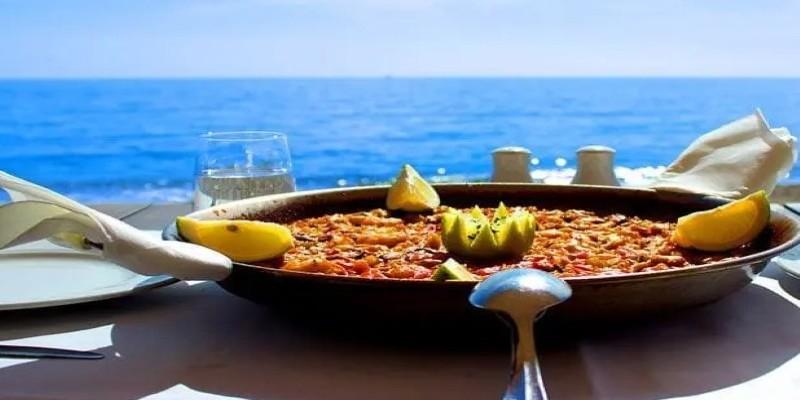
Can Solé stands out as a long running establishment dating back to the early twentieth century. Regular guests return for seafood paella built on deeply flavored stock. Kitchen staff prepare each pan slowly, allowing rice grains to absorb broth without turning soft. Midday reservations help avoid evening crowds during warm months.
Another reliable address sits a few streets away, Restaurante Salamanca. The dining room remains busy most afternoons, especially during summer. Large pans arrive filled with mussels, prawns, squid, and saffron rice. Portions serve two comfortably. Waiting time may stretch during peak travel periods, though the result usually justifies the delay.
A bit farther along the waterfront sits Xiringuito Escribà. This restaurant gained recognition for rice dishes cooked in the open view of the dining terrace. Guests often watch pans simmer over controlled heat while beach traffic passes nearby. Rice texture remains firm, and seafood arrives fresh from morning deliveries at nearby markets.
These seaside restaurants provide a dependable answer for travelers searching for the best paella Barcelona experiences. Still, summer demand creates long waiting lists. Midday visits around 13:00 often secure a table before peak rush begins around 14:30.
Neighborhood Kitchens Serving Paella Beyond Tourist Zones
Beyond the waterfront and historic center, several neighborhood restaurants produce excellent paella with far less crowd pressure. Local residents fill many tables, creating steady but manageable service.
El Glop, located near the Gràcia district, serves Catalan cuisine built around traditional ingredients. Paella here leans toward rustic presentation. Rice cooks in shallow pans with chicken, seafood, and vegetables, depending on the chosen variation. Dining rooms maintain a relaxed pace, allowing kitchens to cook each pan properly.
Another respected address, 7 Portes, has served rice dishes since the nineteenth century. The restaurant sits near Port Vell yet retains a strong culinary reputation. Paella preparation remains consistent thanks to experienced kitchen teams and strict ingredient sourcing. Seasonal seafood frequently appears in daily specials alongside the standard menu.
Barraca, located near Bogatell Beach, offers a slightly modern setting while maintaining traditional rice preparation. Large windows overlook the sea, yet kitchen practices remain rooted in Valencian methods. Bomba rice absorbs rich broth slowly, creating balanced flavor across the entire pan.
Neighborhood dining offers advantages during high travel months. Tables remain easier to secure, service flows calmly, and staff can answer questions about preparation details. That environment helps travelers searching authentic paella Barcelona without the rushed atmosphere common near major landmarks.
Ordering Paella in Barcelona, Timing, Portions, and Local Dining Habits
Ordering paella in Barcelona goes more smoothly with a little sense of local routine. Rice dishes are still closely tied to lunch, so midday is the best moment to sit down for a proper pan. In many restaurants, especially traditional ones, paella is treated as a full kitchen production rather than a quick menu item. Late dinners can bring fewer options, and some places stop making it altogether after the main lunch rush.
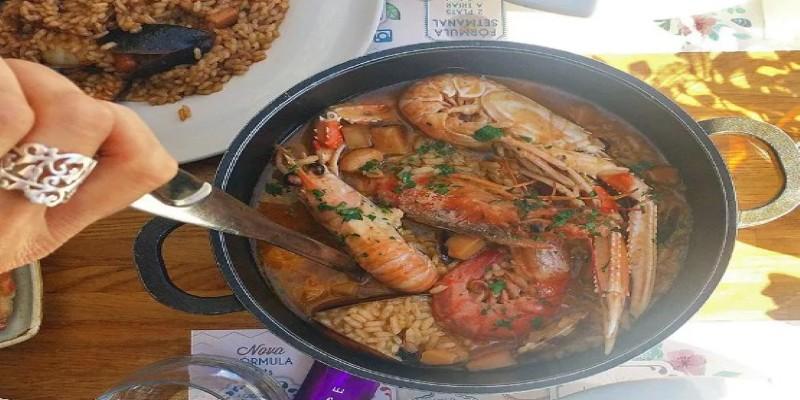
A table around 13:00 usually works well. Service feels calmer, and the kitchen has more room to prepare the rice properly before the busiest stretch begins. By 14:00, dining rooms across the city start to fill, and waiting times often grow.
Menus can vary more than expected. Seafood paella is common near the coast, while mixed versions combine meat, shellfish, and vegetables. Black rice, made with squid ink, appears in many respected kitchens and brings a deeper, more savory character.
Prices often tell part of the story. Better seafood, stronger stock, and careful preparation generally cost more. Very cheap paella can signal shortcuts. Once ordered, patience matters. A good pan takes time, usually half an hour or more. It arrives at the table whole, meant for sharing, with socarrat at the base and conversation built into the meal.
Conclusion
Authentic paella Barcelona experiences rarely appear in rushed dining rooms near major attractions. The strongest examples come from seaside kitchens, historic restaurants, and neighborhood dining rooms where rice preparation follows traditional timing. Careful ingredient sourcing, patience during cooking, and proper pan size influence the final dish. Planning lunch around local dining hours also improves the experience. With attention to location and restaurant style, a proper paella in Barcelona becomes one of the most satisfying meals in the city.