Digestion goals vary, so results feel inconsistent
It can feel confusing when the same “healthy carb” leaves you satisfied one day, then overly full or gassy the next. Some people are eating sweet potatoes hoping for steadier energy, while others are aiming for easier stools—or trying to avoid any gut noise before a meeting or workout. When the goal shifts, the “right” outcome shifts too, so the same digestive response can get labeled as success or a problem.
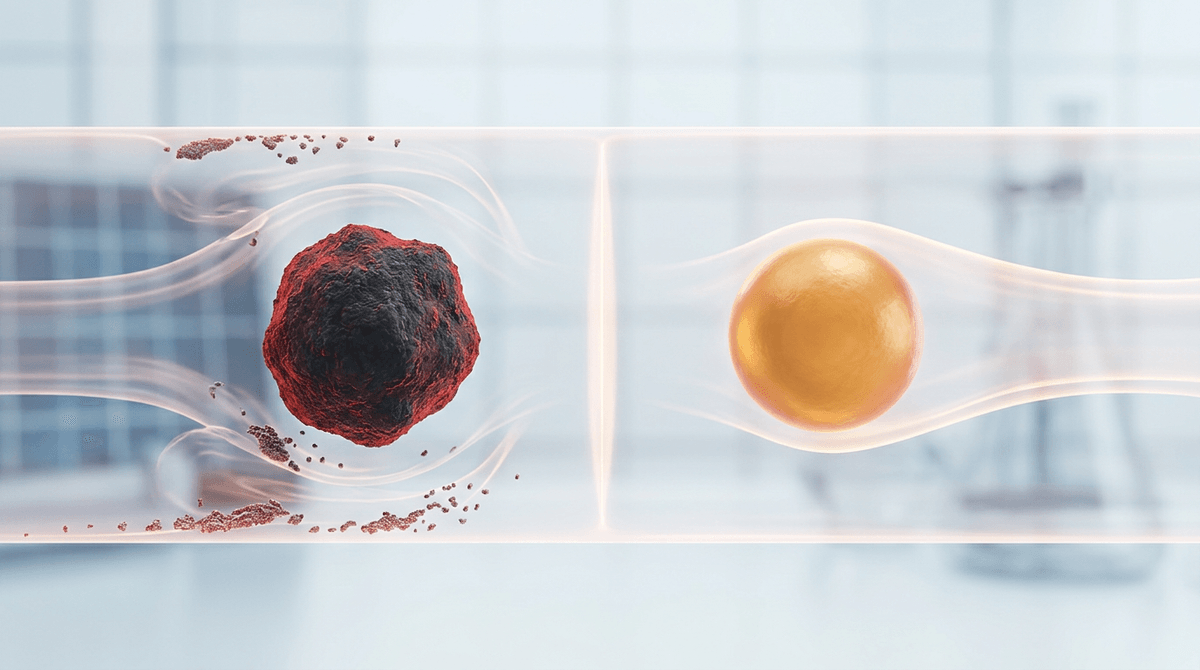
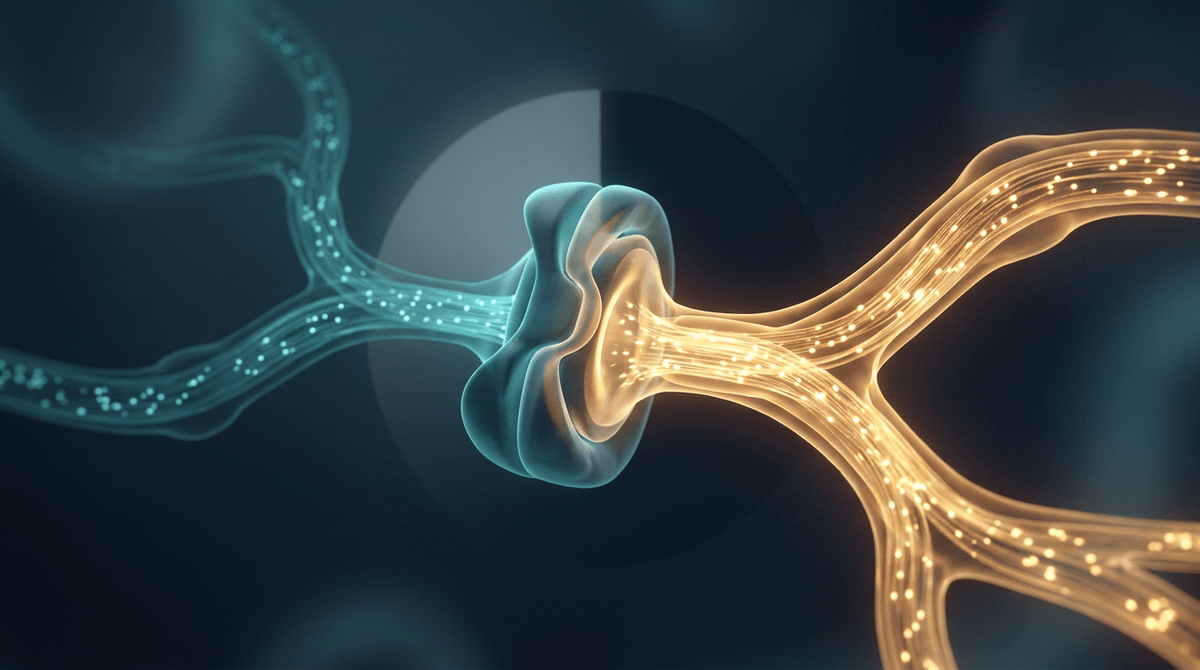
These sweet potatoes don’t behave like a simple sugar that’s absorbed quickly and predictably. They bring fiber plus starch that may digest in the small intestine to different degrees depending on portion, skin, and what else is in the meal. When more starch escapes digestion, it reaches the colon, where bacteria ferment it and produce gas; that fermentation can also change water movement in the gut, which may tilt stools looser for some people and more backed up for others, especially when timing is tight or meals are irregular.
That’s why symptoms can seem contradictory: a heavy, “stuck” feeling may show up alongside frequent gas, or a brief energy dip may happen even when the meal looked balanced on paper. None of this automatically means something is wrong—it may just mean your digestion is responding to a different mix of digestion versus fermentation than you expected that day.
Sweet potatoes deliver fiber, starch, and osmotic pull
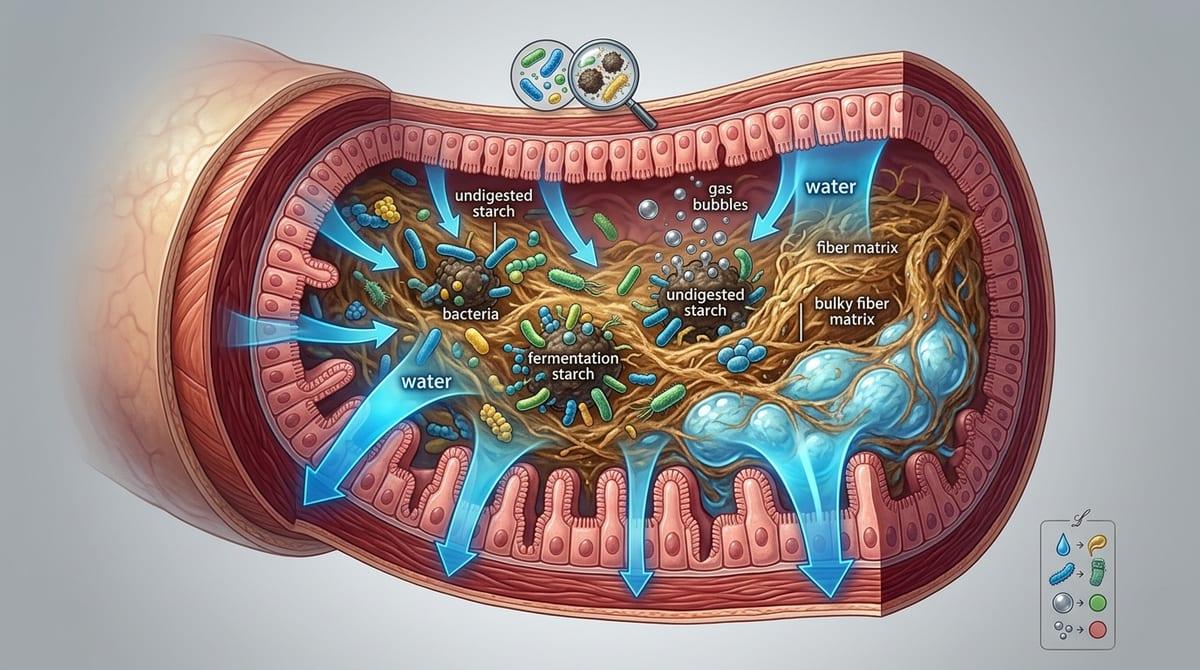
A gentle pressure in the lower belly is often the first sign—an impression that the meal is still present even when the portion wasn’t large. Sweet potatoes can produce that mixed sensation because they contain both starch and fiber, which don’t travel through the digestive tract at the same pace. Fiber contributes bulk and retains water, while starch is partly broken down and absorbed earlier, with the remainder depending on portion size and cooking method.
When more of that starch reaches the colon intact, it becomes substrate for gut bacteria. Fermentation produces gas and also influences how water is distributed in the bowel, which helps explain why similar servings can lead to very different outcomes—looser stools in some cases, or a slowed, more stagnant feeling in others. Certain carbohydrates can also draw water into the intestine as they move along, creating sensations of fullness, movement, or urgency that vary with hydration, stress level, and meal timing.
The same bowl may feel calming on a day when the gut needed gentle bulk, yet noticeably more active when earlier meals have already left fermentable material behind. That variation usually reflects the balance between digestion and fermentation rather than a single fixed reaction to the food itself.
What drives bloating beneath the surface
Sometimes the bloating isn’t sharp pain—just a slow tightening of your waistband a couple of hours later, even though you felt fine right after eating. That delay can be a clue that what you’re noticing is happening farther down the line, after the food has moved past the stomach and small intestine.
Under the surface, the “bloat” feeling is often less about the sweet potato sitting there and more about what’s being worked on. If some starch and fiber aren’t fully broken down earlier, they arrive in the colon where bacteria start fermenting them. Fermentation creates gas, but it also changes the mix of particles in the bowel, which can shift water movement. In some cases, that combination makes the abdomen feel fuller and more pressurized; in others, it may come with gurgling, urgency, or stools that swing between loose and sluggish.
But your gut bacteria are responding to what’s left over from previous meals, not just what you ate today. So a portion that felt “clean” yesterday can feel surprisingly expansive today, especially when your eating schedule, stress, or sleep has been a little off.
Cooking changes starch behavior and gut workload
The same sweet potato can feel quite different depending on how it’s cooked—soft and easy one time, then unexpectedly gassy the next. That contrast is frustrating because the portion looks identical, even though the digestive workload behind it isn’t.
Cooking changes starch in a few important ways. As it heats, starch granules absorb water and swell, which generally makes them easier for enzymes to break down in the small intestine. When more of that breakdown happens early, less starch reaches the colon, which usually means less fermentation later on. At the same time, cooking method changes density. Baking removes more water than boiling, so a potato of the same size can end up more concentrated in starch and fiber than it appears.
Texture also influences how it’s eaten. A very soft, well-cooked potato tends to go down quickly and easily, which can delay fullness cues and lead to a larger intake before the body signals “enough.” If that intake exceeds what can be processed in the small intestine in time, more residue reaches the colon, where fermentation produces gas and shifts water balance—effects that may only become noticeable hours after the meal.
Cooling and reheating shifts resistant starch balance
The change can show up the next day: leftovers that felt “fine” when they were fresh suddenly seem to sit heavier, with more gurgling a few hours later. It’s an easy detail to miss because the potato looks the same, and reheating makes it feel just as soft.
As cooked sweet potato cools, some of its starch can re-form into a structure that digestive enzymes don’t break down as completely in the small intestine. That “resistant” portion is more likely to reach the colon intact, where bacteria ferment it. Fermentation can increase gas, and it can also shift water in the bowel, so the result may feel inconsistent—more fullness and pressure for one person, looser stools or urgency for another.
Reheating doesn’t always reverse that change. So a chilled sweet potato bowl, a cold slice in a salad, or a re-warmed meal-prep portion may act more like “starch that feeds the colon” than “starch that fuels you quickly,” especially if the serving size is similar to what you’d eat fresh.
Timing and portion size create different trade-offs
You notice it when the day is tight: the same serving that felt steady at lunch suddenly feels like a risky choice at night, or right before you leave the house. That’s partly because timing changes what you’re willing to tolerate. If you don’t have much room for bathroom uncertainty, a meal that reliably produces some fermentation a few hours later can feel “worse,” even if it would have been manageable on a slower day.
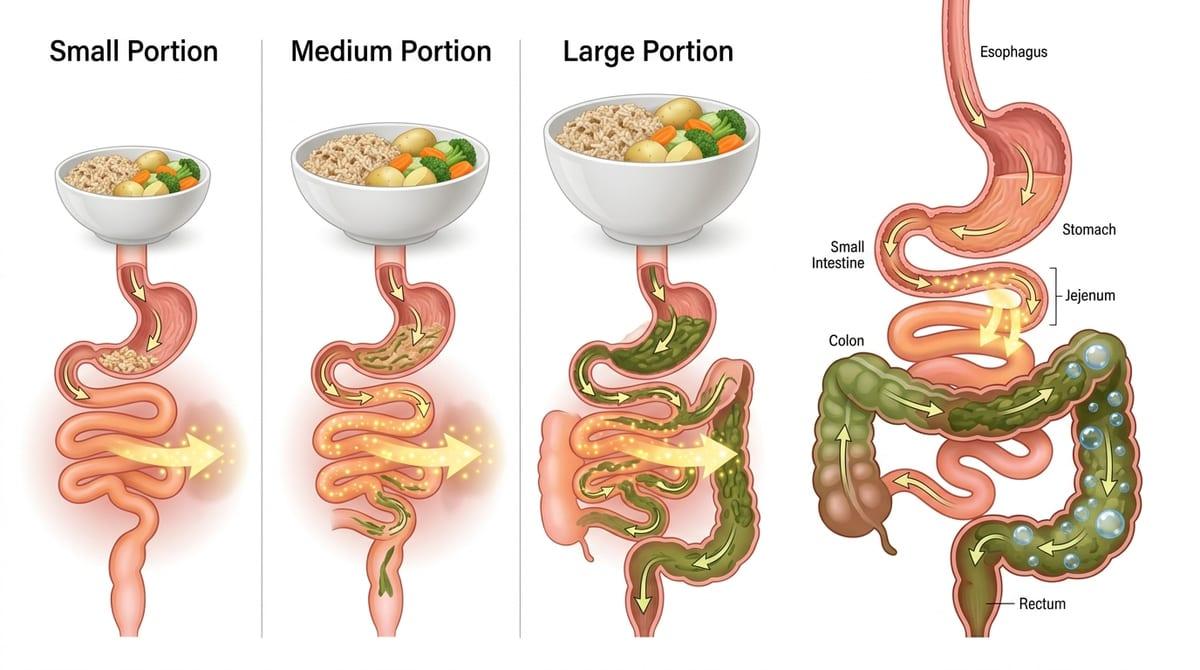
Portion size is where the trade-off usually shows up. A smaller amount may digest more completely in the small intestine, leaving less starch to reach the colon—so there may be less gas and less shifting water later. A larger portion can outpace enzyme capacity and transit time, sending more starch and fiber downstream, where bacteria ferment it and produce gas. That same larger portion can also feel like two different outcomes depending on your baseline: if you were already a bit backed up, extra bulk and water-holding can feel helpful; if your gut was already active, it may tip into urgency or looser stools.
When more starch is absorbed earlier, you may feel more immediate fuel and steadier hunger. When more escapes digestion—especially with cooled or leftover portions—the “energy payoff” can feel delayed or flatter, while the gut effects show up later, sometimes in the middle of the night or the next morning, which can make the cause easy to misattribute.
Pairings that help or hinder digestion signals
It’s often the side dish that changes the story: sweet potato that felt calm on its own suddenly comes with more pressure, louder gas, or a weird swing in stools. That can feel inconsistent because the potato didn’t change—but the signals your gut uses to “pace” digestion did.
When sweet potatoes are paired with a lot of fat (like cheese, creamy sauces, fried toppings), stomach emptying may slow, which can delay when that starch hits the small intestine and, later, the colon. For some people, that timing shift means fermentation and gas show up at a less convenient hour, so it feels worse even if the total amount eaten was the same.
Pairings that add more fermentable material—like large servings of beans, onions, garlic, or certain high-fiber cereals—can stack on top of the resistant starch from cooled or leftover sweet potatoes. That “stacking” may raise the amount reaching the colon at once, which can make the abdomen feel fuller and more reactive, especially when you expected a simple, predictable carb.