Ramadan nights in Europe: what travelers miss
We almost made the classic mistake: we planned “a normal dinner” for 8:00 p.m., then wondered why half the places we’d bookmarked felt oddly quiet while a different part of the city was suddenly buzzing. Ramadan nights in Europe aren’t always advertised like Christmas markets or summer festivals, so if you don’t know where to look, you end up either eating too early, arriving too late, or hovering awkwardly in a crowded spot with no plan for getting home.
What travelers miss is that the evening energy often concentrates in specific neighborhoods, not tourist centers—and it ramps up around iftar (sunset) and again later at night. That’s great if you want a lively, local food scene on a mid-budget, low-stress plan; it’s less great if you’re relying on “walk-in” dining, because the most popular halal spots can get slammed, lines move slowly, and seating can be limited. Timing also shifts year to year, so a plan that worked for a friend last spring can be off by an hour (and the vibe can change with it).
The move is to treat it like an evening event, not just dinner: pick one area, build in extra transit time, and decide in advance whether you’re okay with crowds or you’d rather aim for a calmer, later meal.
What counts as a cultural evening or night market
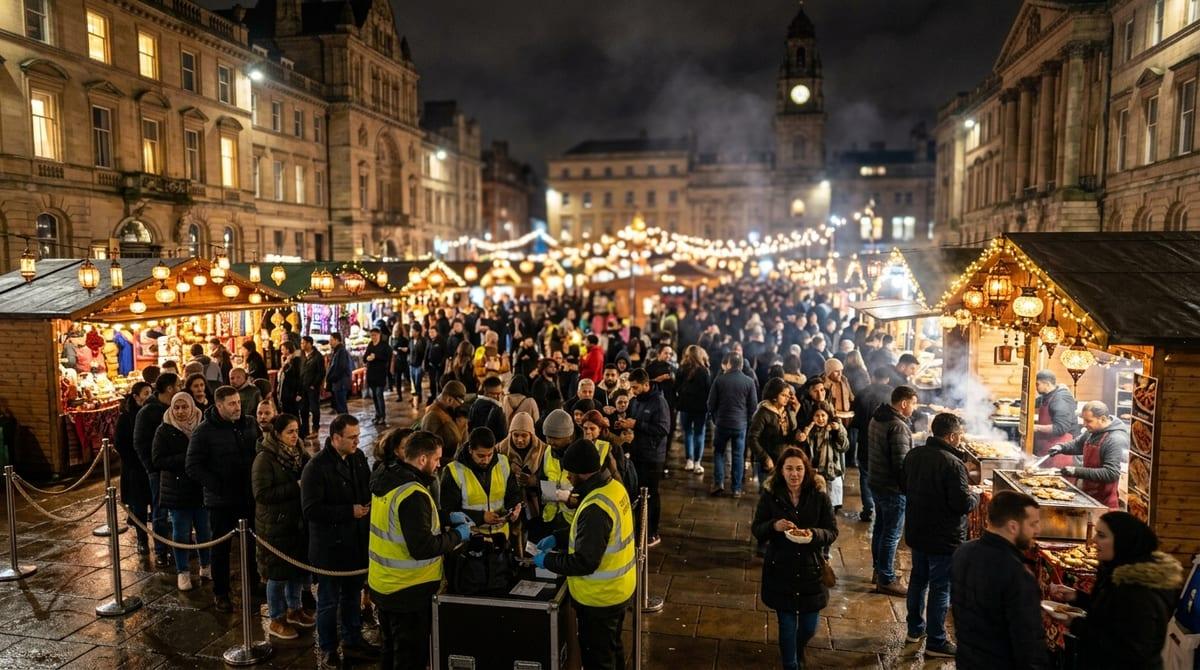
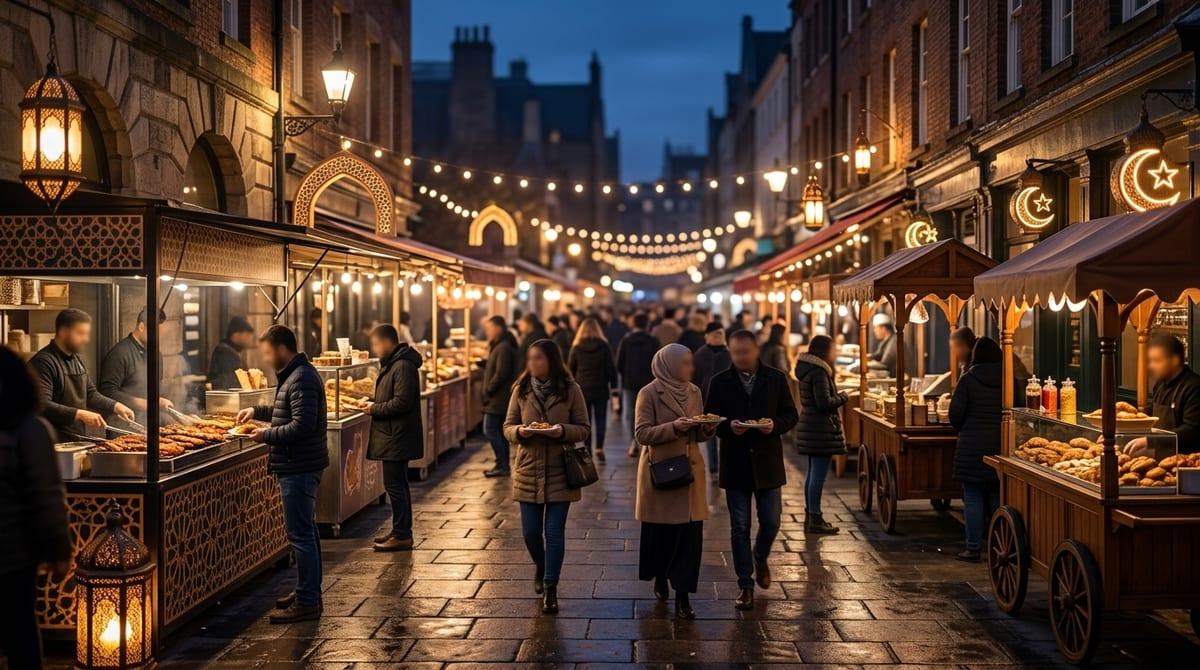
At first we kept asking, “So where’s the Ramadan market?”—and that wording is the trap. In most European cities, the Ramadan night scene isn’t a single fenced-off bazaar with obvious signage; it’s a mix of food streets, community halls, and late-opening cafés that only feel like a “market” once you’re standing in the flow of people after sunset. That also means you can show up to the right neighborhood but the wrong block and think nothing’s happening.
What counts, practically, falls into three buckets. First: an actual organized night market or Ramadan fair (often run by a council, mosque, or cultural group), which is easiest to navigate but can be busy and sometimes ticketed or time-slotted. Second: a food-heavy “iftar corridor”—a stretch of halal restaurants, bakeries, and dessert shops that extend hours; it’s more organic (and often cheaper), but queues are real and seating can be scarce for couples who want low-stress. Third: cultural evenings—talks, open-mosque nights, or community iftars—usually the most meaningful, but they’re the most variable year to year and may require registration or modest dress expectations.
If you only have one night, choose the most “structured” option you can confirm the same week; spontaneity works, but it’s easier when you’re fine eating late and standing around a bit.
Top cities and where to go after sunset
The first time we tried to “just follow the energy,” we ended up standing outside the wrong tube station with a hungry crowd moving in every direction—fine if you love improvising, stressful if you’re trying to keep the night calm. In big European cities, Ramadan nights are less about a single destination and more about picking the right neighborhood spine, then committing to it so you’re not burning half the evening on transit and indecision.
London is the easiest for a low-stress couple because you can choose between two very different vibes: Whitechapel/Aldgate (buzzy, lots of dessert spots, but pavements get tight after iftar) or Green Lanes (Harringay) (food-focused and a bit more spread out, but the “late-night” feeling depends on the day and it can mean a longer ride back). If you want the most predictable logistics, aim for a sit-down reservation near an Underground line, then add a dessert stop as your flexible piece.
Paris runs lively in pockets like Barbès/La Goutte d’Or and parts of Belleville, but it’s also where you’ll feel the biggest mismatch between tourist expectations and local routine: queues can look chaotic, seating can be scarce, and the best-value places don’t always “do reservations.” Berlin is simpler to read—Neukölln (around Sonnenallee) concentrates the late-night food energy, though it can feel intense if you arrive right at iftar; coming 45–90 minutes later often makes it easier to actually eat. Amsterdam is the quietest of these after midnight, so treat it as an earlier evening: pick a halal-heavy cluster in the west (rather than chasing a “market” that may or may not exist that year), and plan your last tram/train before you get comfortable lingering.
Practical tips: timing, etiquette, and reservations
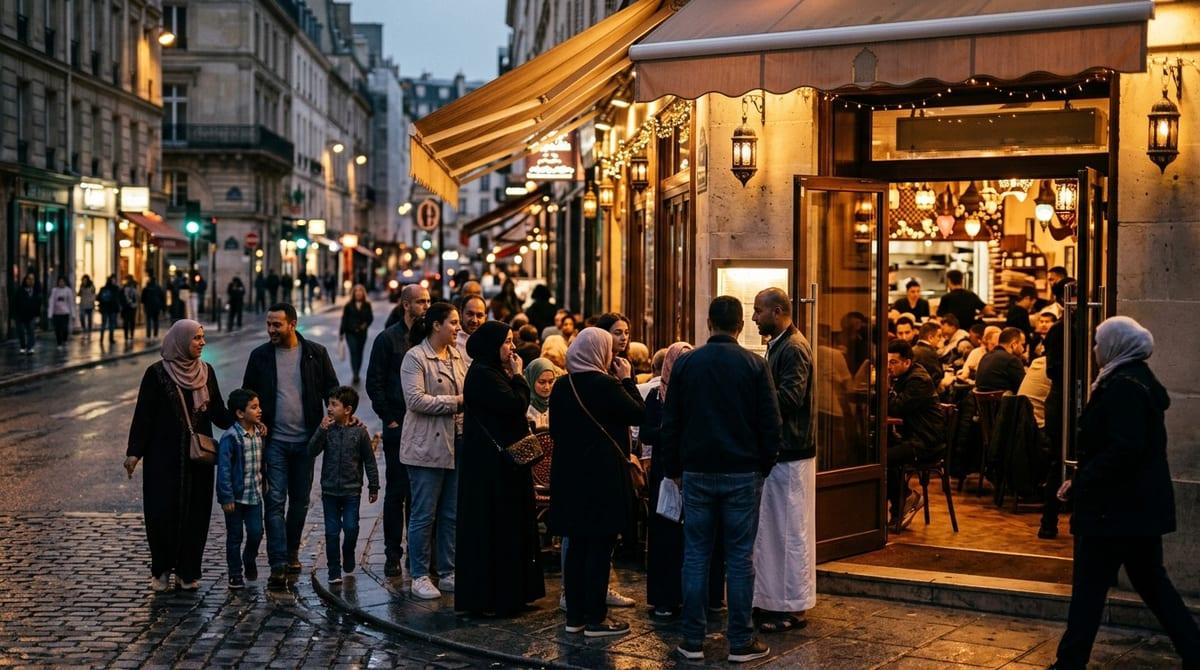
Instead of trying to hit iftar right at sunset, it helps to plan around it. Arriving 30–60 minutes later usually means the first rush has already moved indoors, making the experience calmer, though dinner may run later than usual. Showing up early is the other option: more choice, but also a front-row seat to the crowds building quickly, especially on weekends. Either way, it’s worth allowing extra time for queues and assuming your first choice might be full.
Reservations vary widely by city. In London, booking a sit-down halal restaurant near the Tube brings a sense of predictability, with dessert or coffee left as a flexible stop. Berlin—particularly around Sonnenallee—offers a mix: some places accept reservations, but many don’t, and arriving later often works better than trying to secure a table in advance. Paris can be harder to plan; many of the best-value spots don’t take bookings at all, so having a couple of backup streets in mind makes the evening smoother. In Amsterdam, the atmosphere tends to start earlier and feel more relaxed, making reservations a good idea if you’re aiming for a full dinner rather than quick counter seating.
As the evening unfolds, a bit of awareness goes a long way. Iftar carries a strong sense of community, so it’s best to avoid eating or drinking in front of those waiting to break their fast, and to ask before taking photos—especially near mosque entrances. Dressing modestly when entering religious spaces is also appreciated. Transport is worth a quick check before settling in: confirm the last train and keep a simple night-bus route in mind, rather than relying on a more complicated late-night journey.
Making the most of Ramadan nights, respectfully
One thing that kept the night feeling “right” was choosing a single intention before we left the hotel: are we here for food, for atmosphere, or for a community event? Trying to do all three in one evening usually meant rushing, arriving mid-queue, and getting impatient in a place where people are doing something meaningful. If you’re aiming for a mosque open night or community iftar, accept that you may need to register, dress more conservatively than you would for a regular night out, and keep your schedule flexible if timing shifts.
On the street-food side, we had the best interactions when we treated busy sidewalks like someone else’s neighborhood, not a pop-up festival: keep photos discreet, don’t block doorways, and step aside if you’re checking maps. If you’re not fasting, it’s still easy to be considerate—eat away from mosque entrances and the densest pre-iftar crowd. The practical cue I’d use again: pick one neighborhood, arrive a little after sunset, and set a firm “last train” time so you can linger without the late-transit scramble.