Orlando often brings theme parks to mind, yet the city holds layers of history that predate large resorts and international tourism. Old neighborhoods, preserved homes, and community landmarks reveal the shape of life in central Florida long before modern attractions arrived. Historic attractions Orlando residents value tend to sit quietly among daily activities. Streets, courthouses, and gardens hold stories tied to railroads, citrus trade, and early settlement patterns. Visitors interested in context gain a deeper sense of place while moving beyond typical vacation routes.
Church Street Station and the Commercial Heart of Early Orlando
Church Street Station sits in the historic downtown district and reflects a period when rail travel guided regional growth. Construction of the South Florida Railroad station in the late nineteenth century turned this area into a commercial center. Passenger trains connected Orlando with coastal cities and agricultural towns, creating steady movement through the station.
Business owners opened hotels, cafés, and storefronts along the surrounding streets to serve passengers and traders moving citrus and lumber. Today, the district still shows the architectural character from that era. Brick buildings with decorative cornices line the street. Restored storefronts preserve details such as iron columns and tall windows designed for ventilation during humid summers.
Many travelers searching for historic sites in Orlando often miss this area during short visits, yet it provides direct insight into early economic life. Timing matters for anyone planning a stop here. Downtown traffic increases during weekday work hours, and parking becomes limited during major events. Early morning visits allow space for walking and photographing architectural details without crowds.
Local walking tours sometimes operate during cooler months, giving context about railroad expansion and city planning decisions that shaped the district. Travelers interested in transportation history often find this stop more informative than typical sightseeing locations.
Fort Christmas Historical Park and the Frontier Period
East of Orlando sits Fort Christmas Historical Park, a reconstruction of a military outpost built during the Second Seminole War. The original fort appeared in 1837 as part of a chain of defenses intended to secure supply routes through central Florida. The modern structure recreates the design using historical records, allowing visitors to see the defensive layout used during that conflict.
Wooden watchtowers, palisade walls, and blockhouses illustrate the realities of frontier defense. Inside the fort, exhibits explain daily life for soldiers stationed in remote territory. Letters, tools, and uniforms present a practical view of military routines during that period. For travelers researching historic attractions Orlando offers beyond urban areas, this site presents a rare look at pre-statehood Florida.
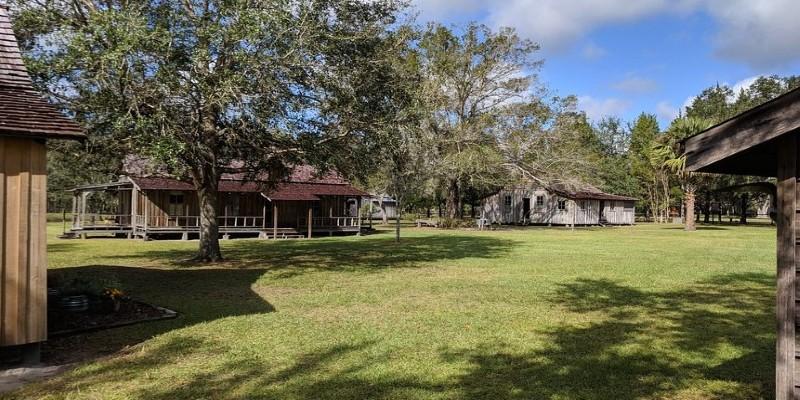
The surrounding park includes restored homes representing rural life during the nineteenth century. A sugar cane mill, schoolhouse, and pioneer cabins stand along shaded walking paths. Each structure contains artifacts tied to farming and household work. This setting works well for visitors interested in agricultural history, especially those tracing family migration patterns across the southeastern United States.
Summer visits require planning. Central Florida heat rises quickly after midmorning, and shaded areas remain limited in open sections of the park. Carrying water and arriving early helps avoid discomfort during longer visits. Seasonal festivals sometimes draw large regional crowds, which changes the quiet atmosphere usually associated with the park.
The Wells’Built Museum and Orlando’s Cultural Heritage
The Wells’Built Museum stands along South Street, inside a restored hotel building dating to the 1920s. During segregation, this hotel served African American travelers arriving by train or bus. Touring performers, athletes, and community leaders stayed here while passing through the city. The building was later transformed into a museum preserving stories connected to that era.
Interior rooms display photographs, letters, and personal items linked to Black history in central Florida. Jazz musicians, baseball players from the Negro Leagues, and civil rights organizers appear throughout the exhibits. Each display connects Orlando landmarks to broader national history, placing the city within larger social changes during the twentieth century.
Travel planners often include large entertainment districts in itineraries but overlook locations like this museum. That gap leaves visitors with an incomplete view of local culture. Spending time here adds perspective about travel restrictions during segregation and the community networks that supported visitors during that time.
The museum operates with limited hours compared with major tourist attractions. Checking schedules before arrival prevents wasted travel across downtown streets. Small interior rooms also mean quiet group sizes work best. Large tour groups sometimes need advance coordination to avoid overcrowding in exhibit areas.
Harry P. Leu Gardens and the Legacy of Early Citrus Farming
Harry P. Leu Gardens adds a quieter kind of history to Orlando, one rooted in land, climate, and the city’s citrus past. Spread across nearly fifty acres near Lake Rowena, the property began as working farmland in the late nineteenth century, back when orange groves helped drive the local economy. Long before Orlando became known for large-scale tourism, places like this shaped daily life and regional trade.
Near the entrance, the Leu House Museum gives that history a personal scale. Built in the 1880s, the home still holds original furnishings, and its design says a great deal about living in early Florida. Broad porches offered relief from the heat, high ceilings improved airflow, and sturdy wood interiors reflected the building style of the period. Inside, each room hints at routines tied to farming, household management, and business connections across the state.
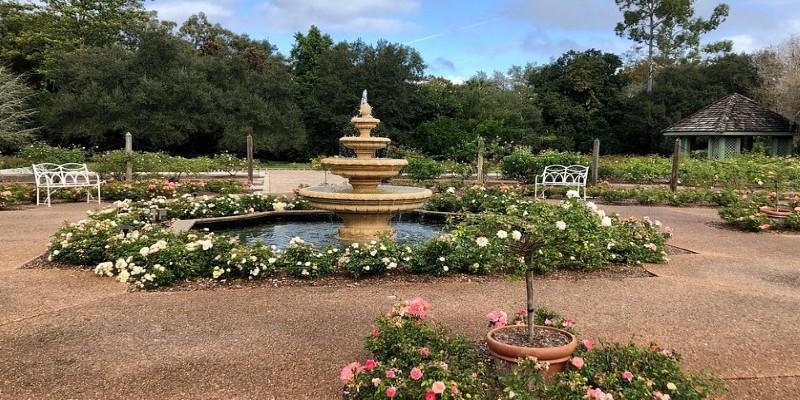
The gardens themselves show another chapter in the property’s story. Camellias, roses, and tropical plantings reflect the move from productive farmland to ornamental grounds, mirroring changes in local land use over time. A morning visit usually feels best. Temperatures stay lower, the light is softer around the house, and afternoon storms are less likely to interrupt a walk. During festivals and plant sales, the grounds can feel much busier.
Conclusion
Historic attractions Orlando contains reach far beyond theme parks and modern resorts. Railroad stations, pioneer forts, cultural museums, and preserved gardens show the city’s path from frontier settlement to regional hub. Each site adds context that typical vacation plans rarely include. Travelers interested in deeper local history gain insight into agriculture, transportation, and community life through these locations. A few hours spent among these landmarks brings a clearer picture of central Florida’s past.