Why “healthy” vegetables sometimes feel uncomfortable
It can be confusing when you add a big salad or a new side of roasted vegetables and, a few hours later, your waistband feels tighter or your stomach seems noisy. The discomfort may feel out of proportion to the meal, which is why people often assume something is “wrong” with the vegetable—or with them.
In some cases, it’s less about the vegetable being unhealthy and more about what happens after it leaves the stomach. Certain vegetables contain fermentable carbohydrates (often grouped as FODMAPs), resistant starch, or fibers that don’t break down early in digestion. When these reach the large intestine, gut microbes can ferment them and produce gas. Some of these carbs can also draw water into the intestine, which may change stool looseness or urgency, especially if your intake increased quickly.
One day a portion feels fine, and another day it doesn’t. That can happen when serving size, what you ate earlier, stress, sleep, and your usual fiber baseline all shift how fast food moves through the gut and how much substrate reaches the microbes at once.
Fermentation physics: what drives gas and pressure
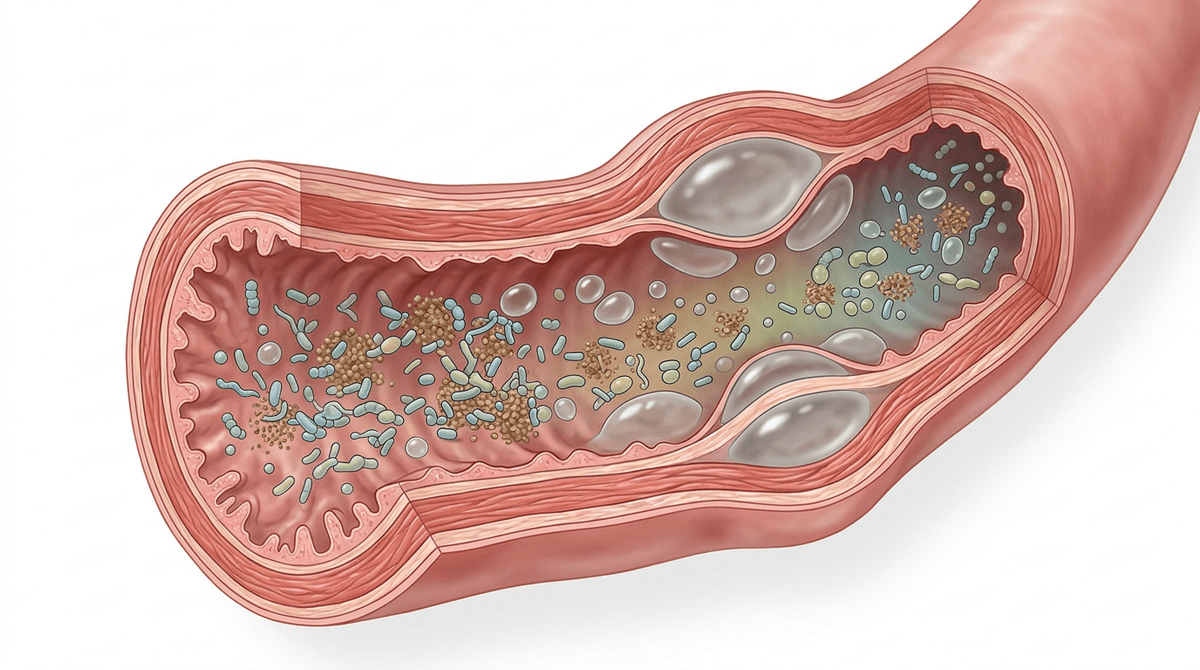
Sometimes it starts as a slow, rounded pressure that wasn’t there after the first few bites, then builds later—more like air getting trapped than “food sitting heavy.” That timing is a clue, because much of the gas isn’t made in the stomach. It tends to show up when certain carbs reach the large intestine and microbes begin breaking them down.
Fermentation produces gases like hydrogen, methane, and carbon dioxide, and the mix can vary from person to person, which is why the same vegetable can feel inconsistent. As gas accumulates, the intestinal wall stretches. That stretch can feel like bloating, cramping, or sharp twinges in specific spots, especially if your gut is already moving faster or more slowly than usual.
Water shifts can add to the “pressure” feeling. Some fermentable carbs pull water into the intestine, increasing volume before gas even peaks. In some cases, that extra fluid speeds things up and feels urgent; in others, the combination of gas and slower movement can feel like it’s not going anywhere.
FODMAP-heavy vegetables that often trigger bloating
A common pattern is feeling fine during the meal, then noticing a fuller, sloshier sensation later—sometimes with a sudden change in stool consistency that feels out of sync with how “clean” the food seemed. That mismatch often happens when certain vegetables deliver more fermentable carbohydrates than your small intestine can comfortably absorb in that moment.
Vegetables that tend to be higher in FODMAPs include onions and garlic (and powders), cauliflower, mushrooms, asparagus, artichokes, sugar snap peas, and larger servings of broccoli or Brussels sprouts. In some people, beans and lentils act similarly even though they’re technically legumes. These carbohydrates can pull water into the intestine, then get fermented by gut microbes in the colon, which increases gas and stretches the intestinal wall—an effect that may feel like pressure, cramping, or noisy movement rather than simple “fullness.”
A few bites of broccoli may be quiet, while a big bowl of it—especially alongside other FODMAP sources—creates enough fermentable load to tip symptoms over the line, even if you cooked everything well and nothing tasted “heavy.”
Fiber type matters more than total fiber
It can show up as a tugging, restless feeling low in the belly after you “did the right thing” and chose the higher-fiber side—but the reaction doesn’t match the nutrition label. That’s because “fiber” isn’t one single ingredient. Two vegetables can list similar grams, yet behave very differently once they hit the gut, which is why the same total fiber target can feel fine one day and uncomfortable the next.
Some fibers are more fermentable, meaning microbes can break them down quickly and produce gas sooner and in a bigger burst. Other fibers are more rigid and less fermentable, so they tend to move through with less gas but may add bulk and change how fast the intestines push things along. In real life, that difference can look like this: a meal high in fermentable fiber may lead to louder gurgling and pressure later, while a meal heavy in coarse, intact plant structure may feel more like heaviness, scratchy fullness, or a slower, incomplete bowel movement.
Your gut’s response can lag behind your intentions. When fiber jumps suddenly—especially after a lower-fiber stretch—more material reaches the colon than your microbes are “used to” handling, and motility can swing either direction. That inconsistency can make it easy to blame the vegetable itself, when the bigger driver may be the fiber type and how abruptly the overall load changed.
Sulfur, brassicas, and the “eggy” gas effect
You might notice it most when you burp later and get that unmistakable “eggy” smell, even if the meal felt light. That odor can feel alarming, and it’s easy to assume the food was spoiled or that your digestion is “failing,” especially when it doesn’t happen every time.
With brassicas—like broccoli, Brussels sprouts, cabbage, and kale—the issue is often sulfur chemistry layered on top of fermentation. These vegetables contain sulfur-containing compounds, and when they’re broken down by gut microbes, some people produce more hydrogen sulfide gas. Hydrogen sulfide is present in small amounts in many guts, but when it rises, it can make gas smell stronger even if the total amount of gas isn’t dramatically higher.
Portion size and pairing matter here, which adds to the inconsistency. A modest serving might be quiet, while a larger bowl—especially alongside other fermentable carbs—can create enough microbial activity that the smell becomes the main “symptom,” even before pain or bloating shows up.
When preparation changes digestion more than the vegetable
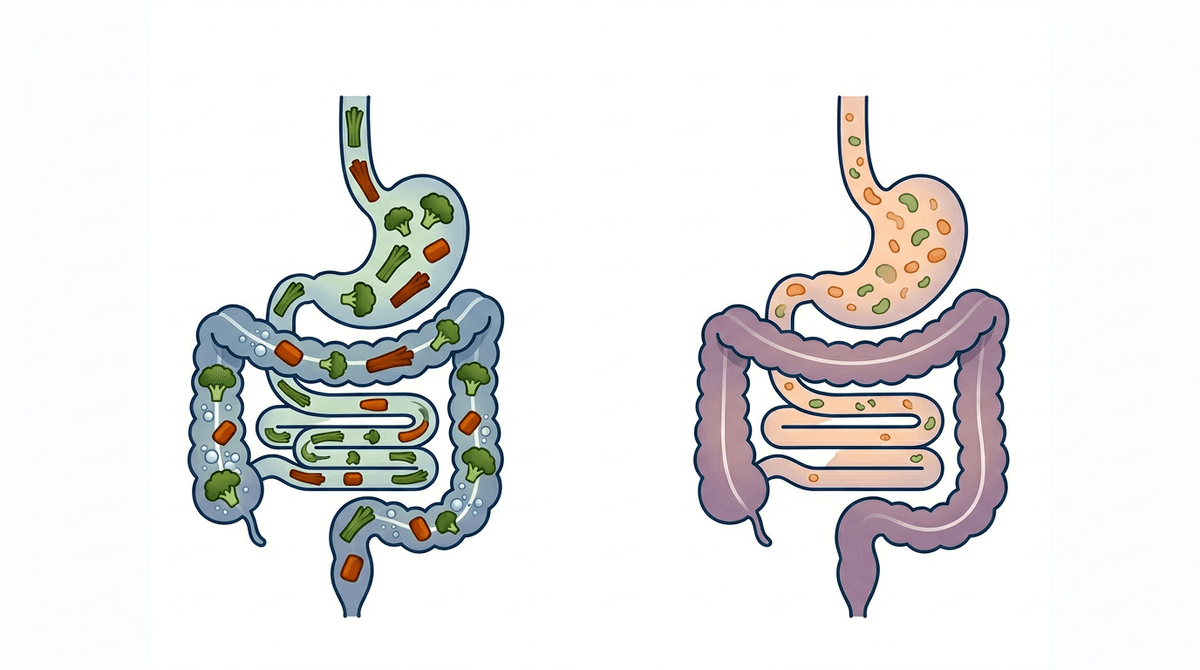
It’s often the “same” vegetable that hits differently depending on how it shows up on the plate—raw and crunchy one day, soft and cooked the next. That inconsistency can make it feel like your gut is unpredictable, when the more predictable change is the vegetable’s structure after chopping, blending, roasting, or cooling.
Cooking can make plant cell walls easier to break apart, which usually means less mechanical work for the gut and a smoother path through the small intestine. But it can also make some carbohydrates more available to microbes later, especially if a larger portion gets through unabsorbed. On the flip side, raw vegetables keep more intact structure, which may slow breakdown and leave more for fermentation further down—sometimes felt as pressure and gurgling that shows up hours later rather than right away.
Temperature and “rest time” can matter too. Cooked-and-cooled starches (like in potatoes or some prepped vegetable sides) can form more resistant starch, which isn’t fully digested up front and becomes extra fuel for microbes in the colon. That can be why a leftover-based meal feels surprisingly louder or more bloating-heavy than the same food eaten fresh, even when nothing else changed.
Balanced-diet adjustments people use without overrestriction
It often becomes clear in the moment you go to repeat a “good” meal and hesitate—because the last time, the afternoon felt puffy or unpredictable. That hesitation can turn into an all-or-nothing mindset: either push through large portions or cut vegetables out entirely. But a lot of people end up finding a middle lane that keeps variety while lowering the fermentable “pileup” in any one sitting.
One common adjustment is portioning the same vegetables differently—smaller servings more often instead of one big bowl—because fermentation load is partly a math problem. If more fermentable carbs reach the colon at once, microbes make a bigger gas burst and water shift, which can feel like pressure or urgency. Spreading vegetables across meals can change that timing, even if the day’s total ends up similar.
Another pattern is rotating “louder” choices (like onion/garlic-heavy dishes or large servings of cauliflower) with calmer ones, rather than banning a whole category. You might tolerate a food on a low-stress, well-rested day and feel off after the same portion when sleep, motility, or earlier meals have already made your gut more reactive. If symptoms keep escalating or start showing up with many different foods, it may be worth pausing and checking in with a clinician instead of tightening restrictions further.